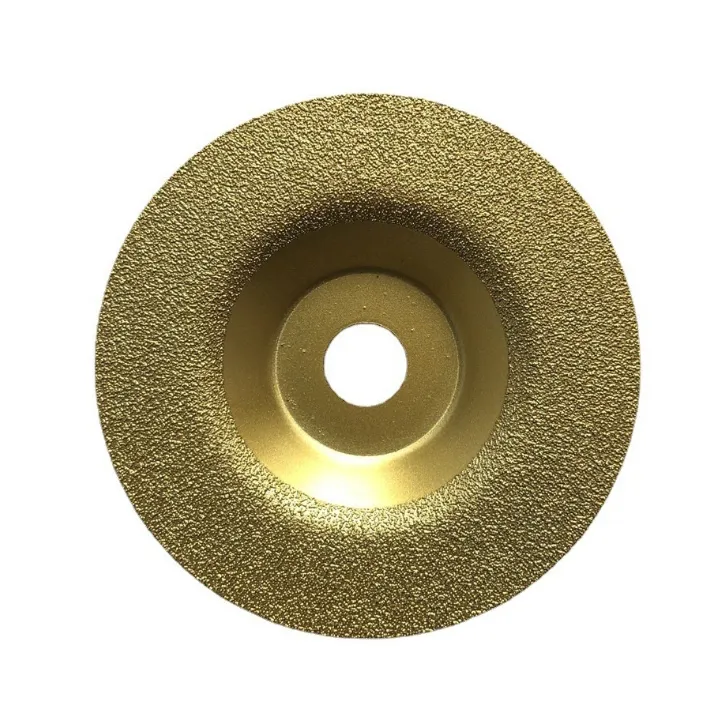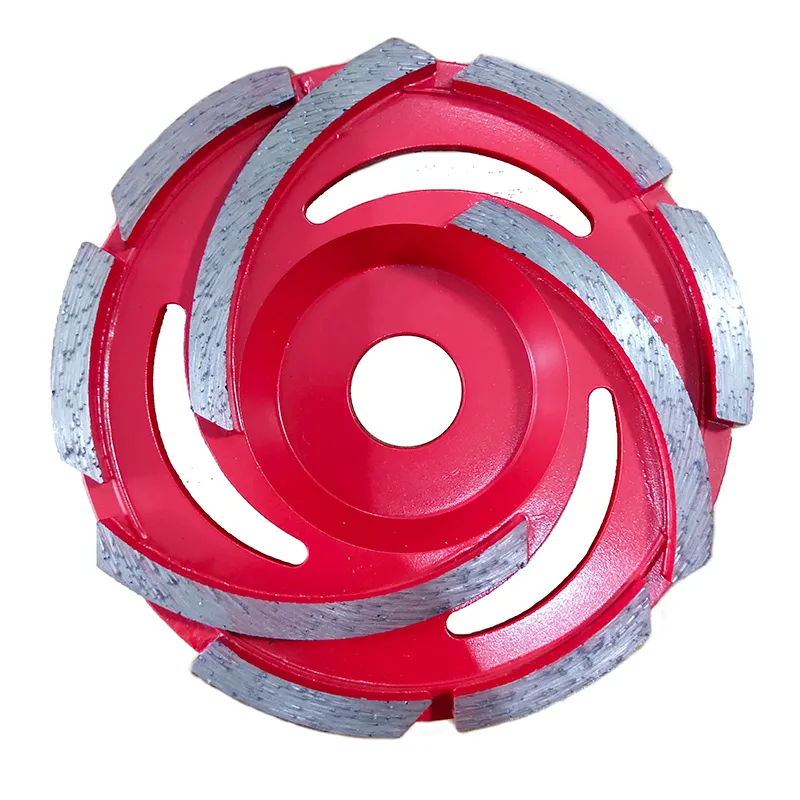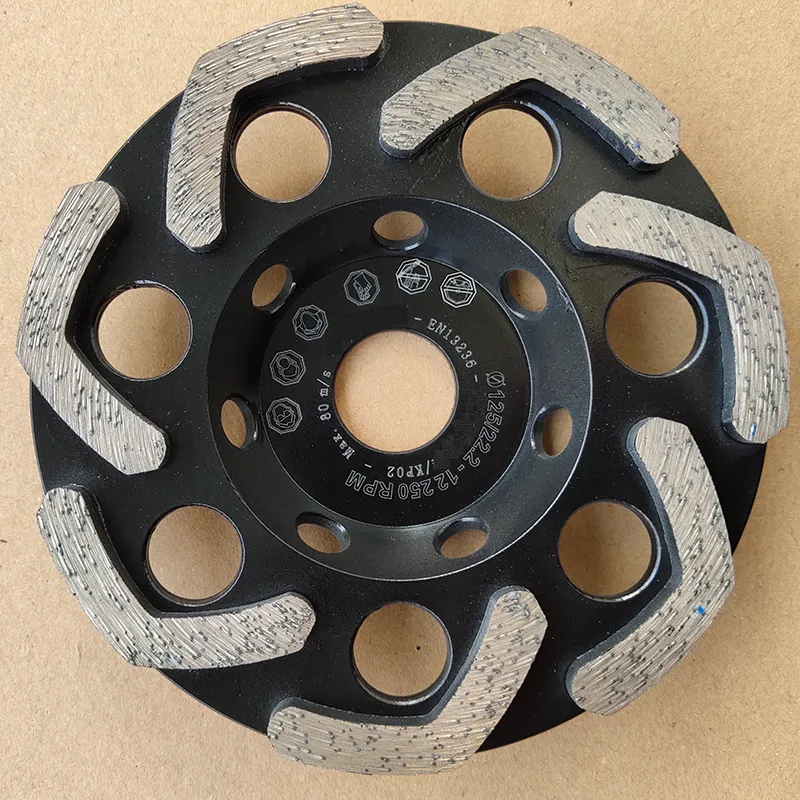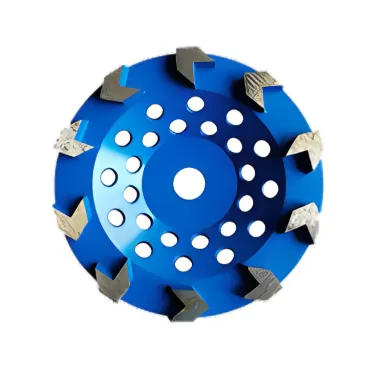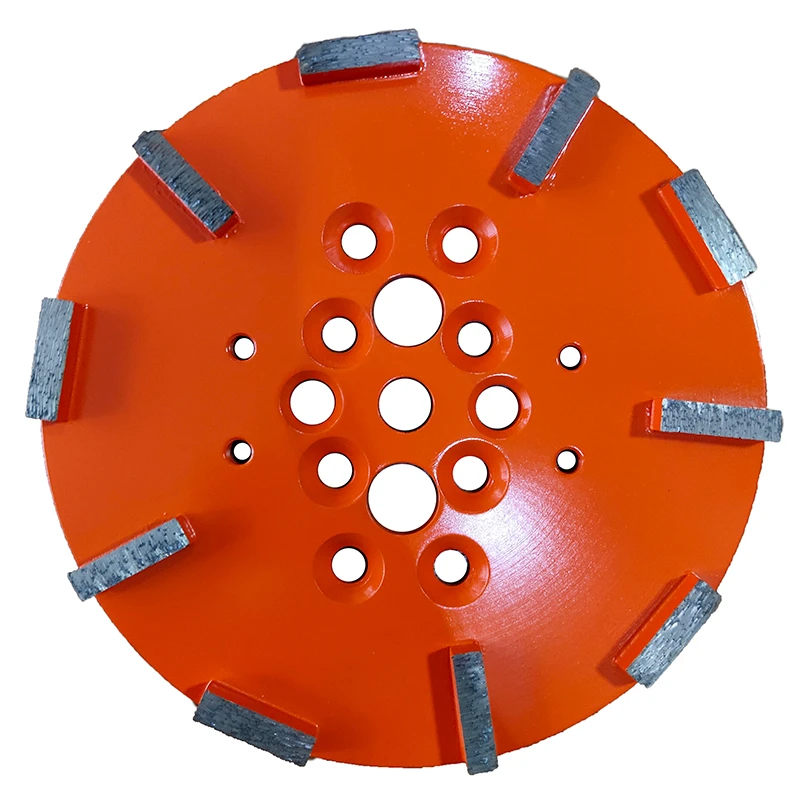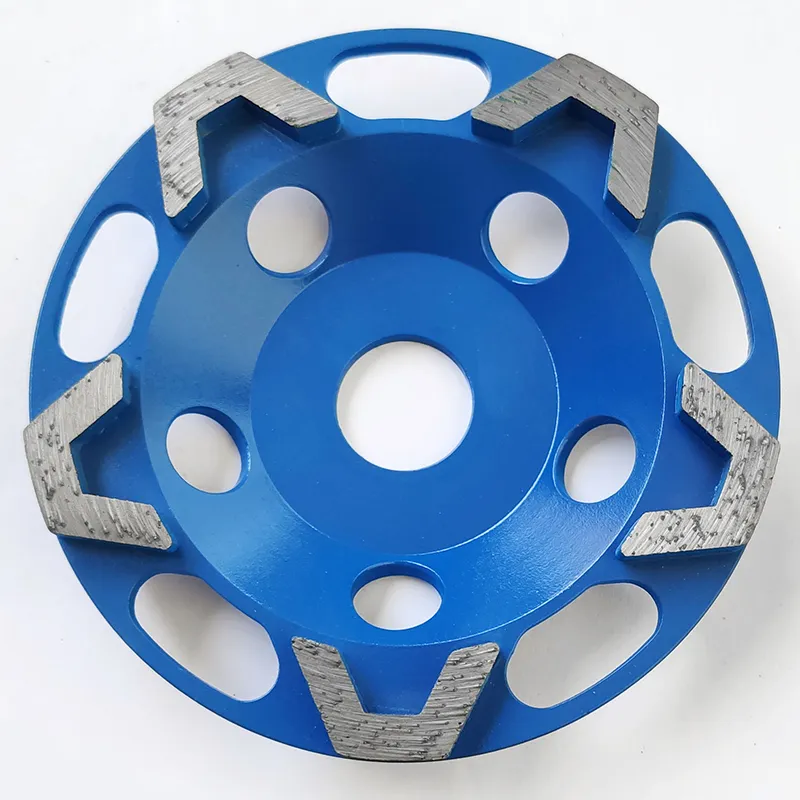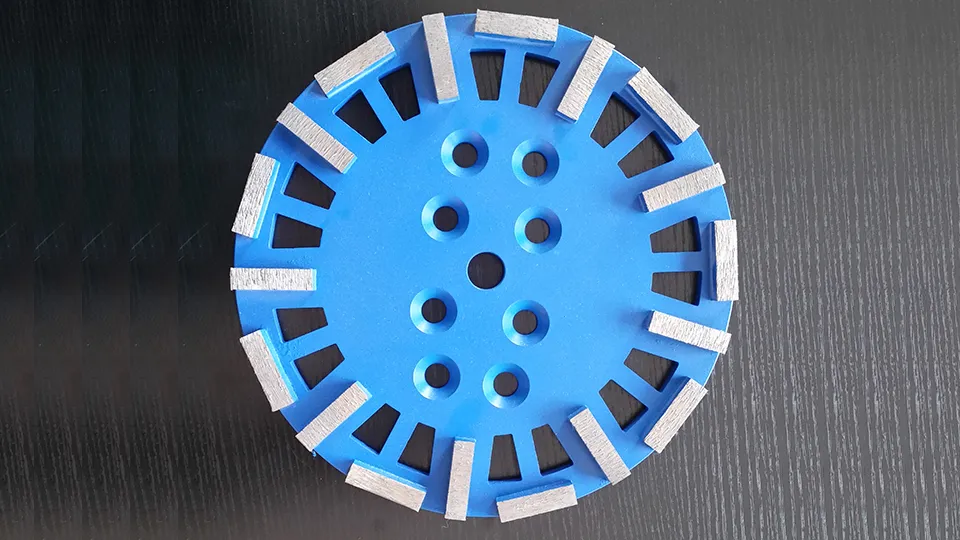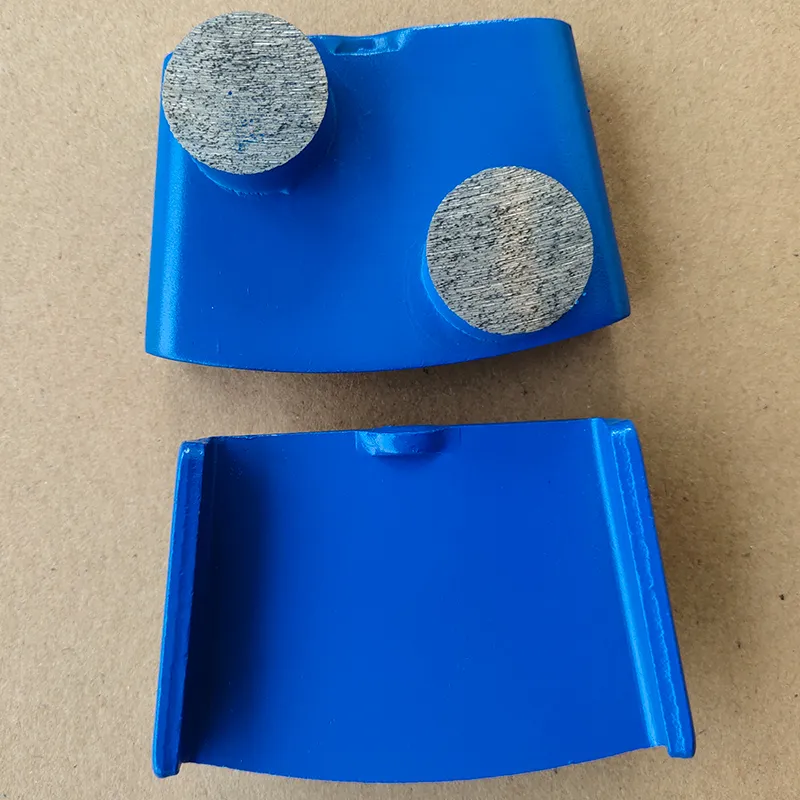

floor grinding plate
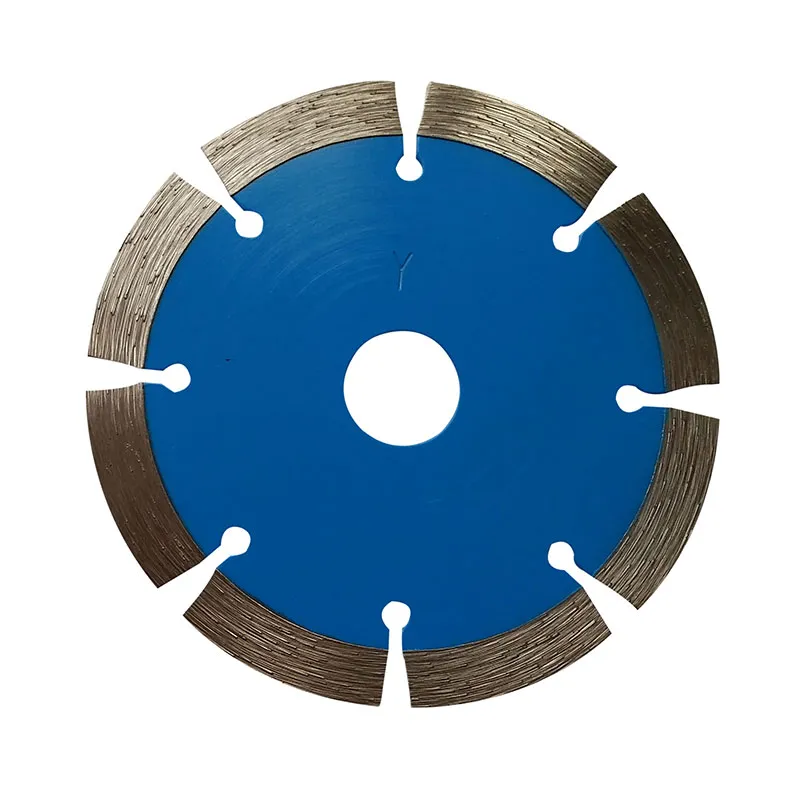
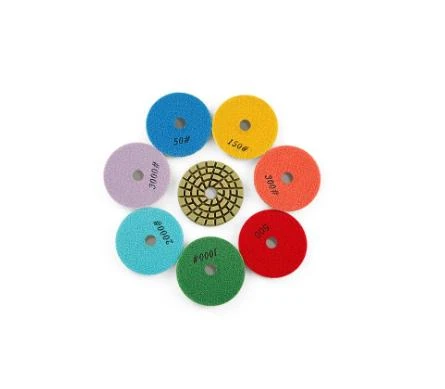
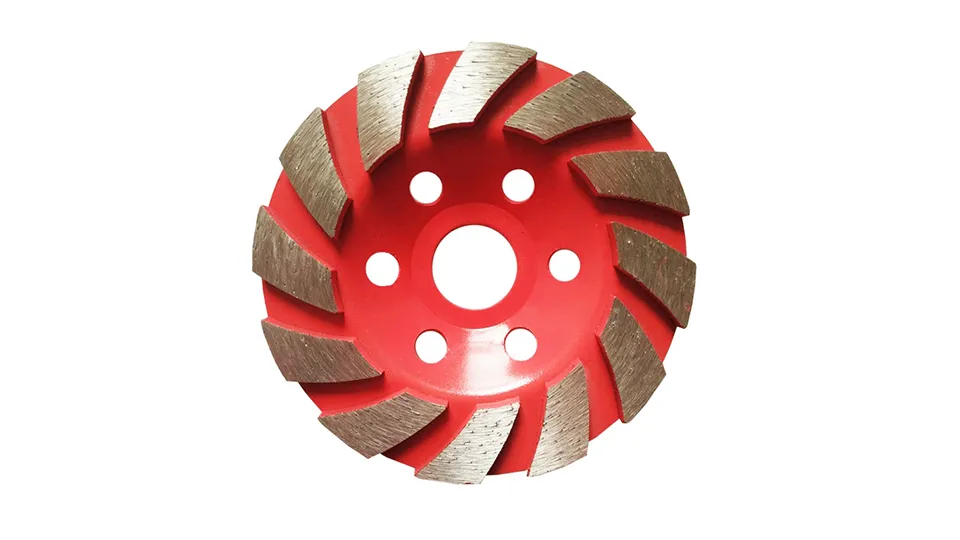
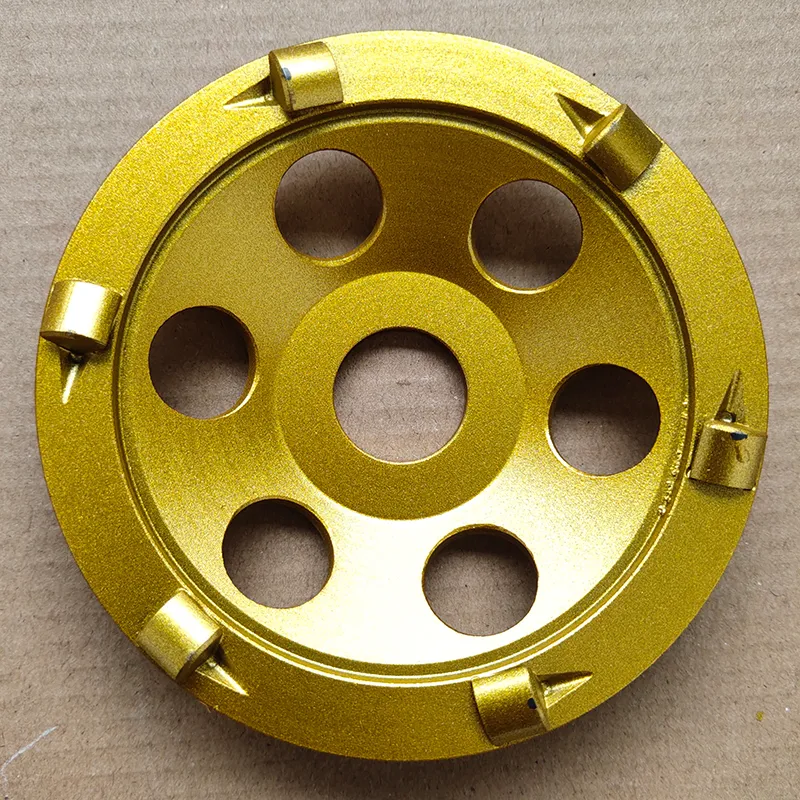
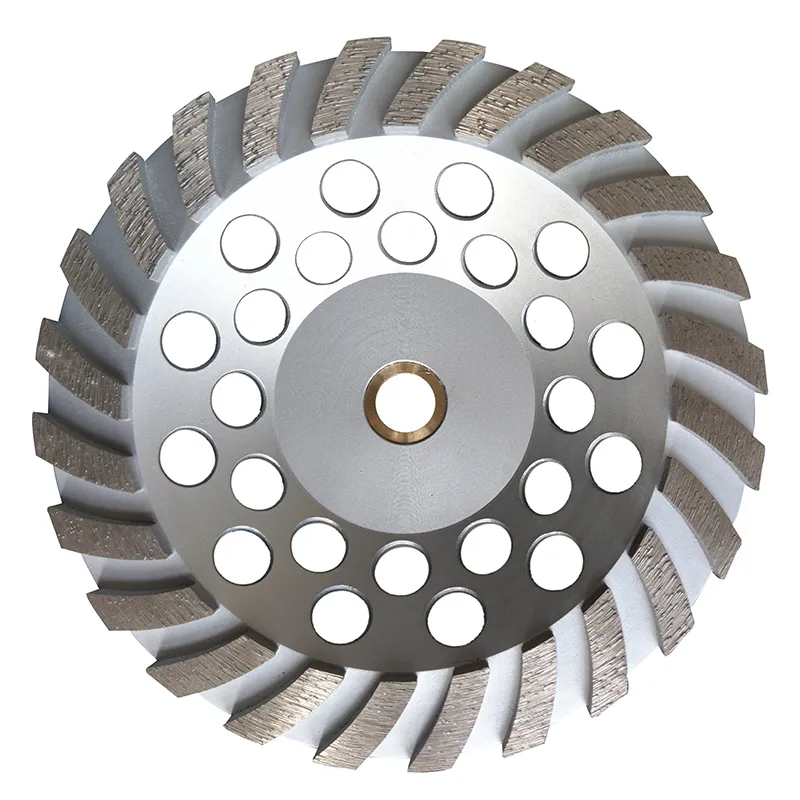
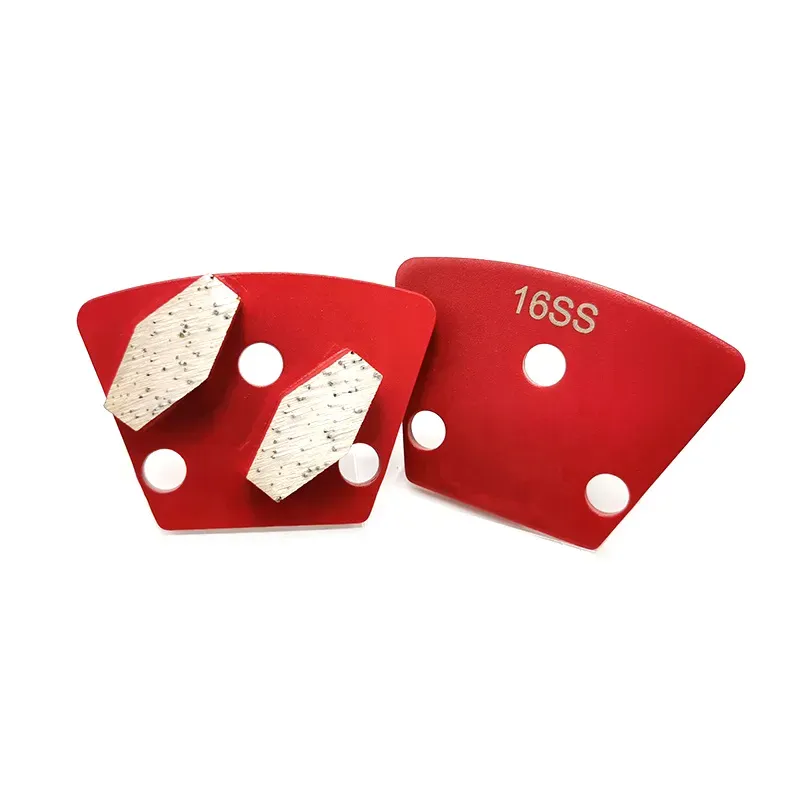
Introduction to Advanced Floor Grinding Technology In the realm of industrial and commercial flooring, the integrity and finish of concrete surfaces are paramount for both aesthetics and operational longevity. Achieving these high standards often necessitates precision grinding, a process critically dependent on the quality of abrasive tooling. This document provides a comprehensive technical overview of the floor grinding block , specifically focusing on advanced diamond grinding shoes designed for demanding concrete applications. These specialized tools, such as the Diamond Grinding Shoes For Grinding Concrete Floor With Grinding Machines, are engineered for superior material removal, surface preparation, and finishing across a diverse range of projects. Modern concrete grinding demands tools that offer not only exceptional abrasive properties but also high durability and consistent performance. A premium floor grinding block is distinguished by its unique composition of diamond particles embedded in a metal or resin matrix, designed to withstand the rigors of heavy-duty use while delivering precise and efficient results. Our analysis will delve into the manufacturing intricacies, performance benchmarks, and strategic applications that position these tools as indispensable assets in flooring construction and maintenance. Industry Trends and Market Dynamics for Grinding Solutions The global market for concrete grinding and polishing is experiencing robust growth, driven by increasing demand for durable, low-maintenance, and aesthetically pleasing concrete floors in industrial, commercial, and residential sectors. Key trends include: Sustainable Practices: A growing emphasis on environmentally friendly building materials and methods leads to increased adoption of concrete as a sustainable flooring option, subsequently boosting the demand for efficient grinding tools. Technological Advancements: Continuous innovation in diamond tool manufacturing, including improved bond technologies and segment designs, enhances cutting efficiency, extends tool life, and reduces operational costs. The integration of quick-change systems like redi lock grinding shoes exemplifies this evolution. Rise of Polished Concrete: Polished concrete floors are gaining popularity due to their durability, ease of maintenance, and modern aesthetic, requiring a full spectrum of diamond grinding block solutions from aggressive removal to fine polishing. Automation and Robotics: The adoption of automated grinding machines for large-scale projects is driving demand for highly consistent and reliable floor grinding block solutions that minimize manual intervention and maximize output. According to a recent market analysis by Grand View Research, the global concrete surface preparation equipment market size was valued at USD 1.2 billion in 2022 and is expected to grow at a compound annual growth rate (CAGR) of 6.5% from 2023 to 2030, underscoring the expanding demand for high-performance abrasives like the concrete grinding block . Technical Specifications and Structural Analysis The effectiveness of a floor grinding block is intrinsically linked to its technical specifications and structural design. Our Diamond Grinding Shoes for Grinding Concrete Floor are engineered with meticulous attention to detail: Diamond Quality: Utilizing high-grade industrial diamonds, selected for optimal hardness (Mohs scale 10) and thermal stability, ensuring superior abrasion resistance and consistent cutting performance. Bond Matrix: The diamonds are embedded in a carefully formulated metal matrix composite. The bond type (soft, medium, hard) is tailored to the specific concrete hardness and aggregate type: Soft Bond: Ideal for very hard concrete, allowing diamonds to expose more readily. Medium Bond: Versatile for medium-hard concrete. Hard Bond: Suitable for softer, more abrasive concrete, providing extended tool life. Grit Sizes: Available in a comprehensive range from coarse (e.g., 6/10 grit for aggressive material removal) to very fine (e.g., 3000 grit for high-gloss polishing), allowing for multi-stage grinding processes. Typical initial grits for concrete range from 16/20 to 30/40. Segment Configuration: Designs include single, double, or multiple segments, as well as unique arrow or rectangular shapes, optimized for efficient dust evacuation and maximum contact area. The segment height and geometry directly influence tool life and grinding aggression. Mounting System: Featuring universal mounting systems like the redi lock grinding shoes design, ensuring compatibility with a wide array of grinding machines (e.g., Husqvarna, HTC, Lavina) and facilitating rapid tool changes, thereby minimizing downtime. Key Product Specifications: Diamond Grinding Shoes Parameter Specification Product Name Diamond Grinding Shoes For Grinding Concrete Floor With Grinding Machines Diamond Grade Industrial Synthetic Diamond (High Concentration) Bond Type Metal Bond (Soft, Medium, Hard options) Grit Range 16/20, 30/40, 60/80, 100/120, 150/200, 300/400, 800, 1500, 3000 Segment Configuration Double Bar, Single Bar, Arrow, Round Mounting System Redi-Lock, Lavina, HTC, Satellite, Scanmaskin, etc. Typical Applications Concrete grinding, coating removal, floor leveling, polishing Service Life Expectancy Varies by concrete hardness; generally 15,000 to 50,000 sq ft per set Manufacturing Process of a High-Performance Floor Grinding Block The production of a high-quality diamond grinding block involves a sophisticated, multi-stage manufacturing process, ensuring precision, durability, and consistent performance. This process adheres to stringent quality control standards, including ISO 9001, to guarantee product excellence. Material Selection and Preparation: High-purity metal powders (e.g., cobalt, iron, nickel, copper alloys) are meticulously selected for the matrix. Industrial-grade synthetic diamonds, known for their superior hardness and thermal stability, are then chosen based on specific grit sizes and concentrations required for the application. Precise volumetric and gravimetric measurements ensure accurate ratios. Mixing and Blending: The metal powders and diamond particles are thoroughly mixed to achieve a homogeneous distribution. This critical step prevents diamond clustering and ensures uniform abrasive action across the segment. Advanced blending techniques, often in controlled atmospheres, are employed to maintain material integrity. Pressing (Cold or Hot): The blended mixture is then pressed into segment molds. Cold pressing involves high pressure to form a "green" compact, which is then sintered. Hot pressing combines high temperature and pressure simultaneously, directly forming dense segments with strong diamond retention. This method is often preferred for superior bond strength and density in critical applications. Sintering (for cold-pressed segments): Cold-pressed segments undergo sintering in a controlled atmosphere furnace at elevated temperatures. This process fuses the metal particles, creating a strong, dense matrix that firmly encapsulates the diamond abrasives, optimizing tool longevity and cutting aggression. Brazing/Welding Segments to Base Plate: The finished diamond segments are then brazed or laser-welded onto a robust steel base plate (e.g., Redi-Lock compatible) using high-strength alloys. This step demands precision to ensure secure attachment, preventing segment detachment under high stress and vibration during operation. Grinding and Shaping (CNC Machining): Post-brazing, the entire concrete grinding block undergoes precision grinding and shaping, often utilizing CNC machining, to achieve exact dimensions, balance, and mounting interface accuracy. This ensures optimal fitment with grinding machines and reduces operational vibration. Quality Control and Testing: Each finished floor grinding block undergoes rigorous quality control. Tests include hardness, density, bond strength, segment pull-out resistance (e.g., adhering to ANSI B7.1 standards), and dimensional accuracy. Performance tests under simulated real-world conditions assess cutting speed, wear rate, and surface finish quality, ensuring compliance with specified service life and performance metrics. Final Finishing and Packaging: The blocks are cleaned, branded, and securely packaged, ready for distribution to industries such as industrial flooring, infrastructure development, and renovation projects. This meticulous process ensures that our concrete grinding shoes provide exceptional energy saving through efficient material removal and demonstrate superior corrosion resistance due to the robust metal bond, particularly relevant in applications exposed to moisture or chemicals. Application Scenarios and Target Industries The versatility of the floor grinding block extends across numerous sectors, proving indispensable in scenarios demanding precise concrete surface preparation and finishing. Its robust design and tailored specifications make it suitable for a wide range of applications: Industrial Flooring: Warehouses, factories, and production facilities require extremely durable and level floors. Concrete grinding block tools are used for initial leveling, aggressive coating removal (e.g., epoxy, paint, mastic), and preparing surfaces for new industrial coatings or polished concrete finishes. Commercial and Retail Spaces: Shopping malls, showrooms, and office buildings often opt for polished concrete floors due to their aesthetic appeal and low maintenance. Diamond grinding shoes are crucial for achieving the desired level of gloss and flatness. Infrastructure Projects: Bridges, tunnels, parking garages, and large public spaces benefit from the durability and safety features of well-prepared concrete surfaces. These applications frequently involve significant surface renovation and leveling. Residential Renovations: Homeowners and contractors increasingly use diamond grinding block solutions for transforming garage floors, basements, or entire living spaces into modern, polished concrete environments. Decorative Concrete: Creating unique patterns, exposed aggregate finishes, or stained concrete surfaces often begins with precision grinding to reveal and prepare the subsurface for subsequent artistic treatments. In these typical application scenarios, the advantages of our advanced floor grinding block are pronounced: Energy Saving: Optimized segment design and diamond concentration allow for faster material removal with fewer passes, reducing machine run time and energy consumption. Corrosion Resistance: The robust metal matrix of our concrete grinding shoes provides excellent resistance to chemical degradation and rust, extending tool life in demanding environments, including those where wet grinding is performed. Enhanced Surface Quality: Precision engineering ensures a consistent scratch pattern, leading to smoother, flatter surfaces ready for subsequent finer grits or sealants. Reduced Downtime: The reliability and extended service life minimize the frequency of tool changes, significantly enhancing operational efficiency. Technical Advantages of Our Diamond Grinding Shoes Our Diamond Grinding Shoes set a benchmark in the industry by offering several distinct technical advantages that translate into tangible benefits for B2B clients: Optimized Diamond Exposure: The carefully formulated metal bond ensures that new diamond cutting edges are continuously exposed during the grinding process. This self-sharpening characteristic maintains aggressive cutting action and prevents glazing, maximizing efficiency and consistency throughout the tool's lifespan. Superior Heat Dissipation: The advanced metal matrix is designed to effectively dissipate heat generated during grinding, preventing premature wear of diamonds and the bond itself. This not only extends the life of the floor grinding block but also reduces thermal stress on the concrete surface. Vibration Dampening Design: Precision engineering and balanced construction minimize vibrations during operation, contributing to a smoother grinding experience, reduced operator fatigue, and prolonged machine life. This leads to more precise control and a superior finish. Reduced Dust Generation: While grinding inherently produces dust, the efficient segment design of our concrete grinding shoes , combined with optimized vacuum shrouds, facilitates better dust extraction, leading to a cleaner work environment and improved air quality. This also reduces cleanup time. Exceptional Durability and Longevity: Through rigorous material selection and manufacturing processes, our diamond grinding block products offer significantly longer service life compared to conventional abrasives, reducing replacement costs and increasing overall project efficiency. Typical service life can range from 15,000 to over 50,000 square feet per set, depending on concrete hardness and operator technique. Consistent Performance Across Surfaces: With a comprehensive range of bond hardnesses and grit sizes, our grinding shoes provide consistent, predictable performance whether grinding hard, medium, or soft concrete, or removing various types of coatings. Vendor Comparison: Why Choose Our Floor Grinding Block Selecting the right supplier for a floor grinding block is a critical decision impacting project timelines, costs, and quality. While many providers offer grinding solutions, our commitment to innovation, quality, and customer-centric service distinguishes us in the market. Here's a comparative overview: Comparative Analysis of Diamond Grinding Shoe Providers Feature Our Diamond Grinding Shoes Leading Competitor A Generic Market Offerings Diamond Concentration & Quality High-grade industrial diamonds, optimized concentration for maximum aggression & life Good quality, often variable concentration based on price point Entry-level to medium, often lower diamond concentration/quality Bond Technology Proprietary metal matrix bonds, precisely formulated for specific concrete hardnesses (Soft, Medium, Hard) Standard metal bonds, limited customization in formulation Basic metal or resin bonds, less adaptable to diverse concrete types Service Life (Relative) Excellent (Longest in class due to material science & quality control) Very Good (Standard industry benchmarks) Average (Varies widely, often shorter) Grinding Efficiency Exceptional (Faster material removal, fewer passes needed) High (Efficient for general applications) Moderate (May require more passes or longer run times) Surface Finish Consistency Superior (Uniform scratch pattern, minimal gouging) Very Good (Generally reliable) Variable (Risk of uneven finish) Customization Options Extensive (Custom grit, bond, segment design, mounting) Limited to standard variations Minimal or none After-Sales Support Comprehensive (Technical consultation, usage guidance, warranty) Standard support, often localized Basic, primarily for defects Customized Solutions for Unique Project Requirements Recognizing that every concrete grinding project presents unique challenges, we offer bespoke customization services for our concrete grinding block products. Our engineering team collaborates closely with clients to develop solutions perfectly aligned with specific material properties, equipment, and desired outcomes. Tailored Bond Formulation: For exceptionally hard or abrasive concrete, or for specialized aggregate types, we can adjust the metal matrix composition to optimize diamond exposure and prevent premature wear or glazing. Specific Grit Blends: Beyond standard grit sizes, we can provide custom blends to achieve a unique surface profile or to accelerate a particular stage of the grinding process. Segment Design and Configuration: Custom segment shapes, sizes, and numbers can be developed to enhance cutting aggressiveness, improve dust control, or reduce heat buildup for specific applications or machine types. Machine-Specific Adapters: While we support all major mounting systems, custom adapters can be engineered for legacy equipment or highly specialized grinding machines to ensure perfect fit and optimal performance of the floor grinding block . Private Labeling and Branding: For large distributors or OEM partners, we offer private labeling services, allowing clients to market our high-quality redi lock grinding shoes under their own brand. Our commitment to flexibility and technical expertise ensures that even the most complex grinding challenges can be met with an engineered solution, providing unparalleled performance and cost-effectiveness for our partners. Application Case Studies Our floor grinding block solutions have been deployed successfully in diverse projects, demonstrating their reliability and performance: Case Study 1: Large-Scale Industrial Warehouse Renovation Client: Major Logistics Provider, North America Challenge: Remove over 100,000 square feet of deteriorated epoxy coating and level the underlying concrete slab, which had significant variations and hardness inconsistencies, within a tight two-month schedule. Solution: We supplied a tailored combination of coarse-grit concrete grinding shoes with a medium-hard bond for initial aggressive removal, followed by finer grits. The redi lock grinding shoes system facilitated quick changes across various grinding machines. Result: The project was completed 15% ahead of schedule, with superior flatness (achieving FF 50/FL 40 ratings) and a perfectly prepared surface for a new high-performance polyaspartic coating. The client reported a 20% reduction in abrasive costs compared to previous projects due to the extended life of our grinding blocks. Case Study 2: High-Traffic Retail Store Polished Concrete Floor Client: National Retail Chain, Europe Challenge: Transform a 30,000 square foot concrete slab into a durable, high-gloss polished floor, requiring minimal maintenance and meeting stringent aesthetic standards for a new flagship store. Solution: A progressive grinding strategy was implemented, utilizing our full range of diamond grinding block grits from 30/40 up to 3000, specifically with soft-bond segments for the initial stages due to the very hard concrete. Our technical support team provided on-site consultation to optimize the grinding sequence and machine settings. Result: The final floor achieved a 90+ gloss reading (60-degree meter) and exceptional clarity. Customer feedback highlighted the consistency of the finish and the efficient workflow enabled by the reliable performance of our grinding shoes. Trustworthiness and Support Information Our commitment extends beyond delivering superior products; we prioritize building lasting relationships through transparency, reliability, and robust support. Frequently Asked Questions (FAQ) Q: How do I choose the correct bond hardness for my concrete? A: For very hard concrete, a soft bond is recommended to allow diamonds to wear more freely. For softer, more abrasive concrete, a hard bond will provide longer life. Medium bonds are versatile for most general concrete types. Consult our technical specialists with details on your concrete's Mohs hardness or age for precise recommendations. Q: What is the typical lead time for an order of floor grinding block tools? A: Standard stock items typically ship within 3-5 business days. For customized solutions or large volume orders, lead times can range from 2-4 weeks, depending on complexity and production queue. We will provide a detailed fulfillment schedule upon order confirmation. Q: What warranty do you offer on your concrete grinding shoes ? A: We offer a 1-year limited warranty against manufacturing defects and premature wear under normal operating conditions. This warranty is a testament to our confidence in the quality and durability of our diamond grinding block products. Full warranty details are available upon request. Lead Time and Fulfillment Our streamlined logistics and robust inventory management system ensure timely delivery. For standard product lines, orders are typically processed and dispatched within 2-3 business days. Expedited shipping options are available upon request. For custom orders, a dedicated project manager will provide real-time updates on production and shipping milestones. Warranty Commitments We stand by the quality of our Diamond Grinding Shoes. All products are manufactured under strict ISO 9001:2015 certified processes and undergo rigorous testing. We provide a comprehensive warranty covering material and workmanship defects. Should any product fail to meet its specified performance within the warranty period, we commit to repair, replacement, or credit, subject to our terms and conditions. Our aim is to ensure your complete satisfaction and minimize any operational disruptions. Customer Support and Technical Assistance Our dedicated customer support team and technical specialists are available to assist with product selection, application guidance, troubleshooting, and post-sales inquiries. We provide expert advice to optimize the use of our redi lock grinding shoes , ensuring maximum efficiency and desired outcomes for every project. Reach out via phone, email, or our online portal for prompt and professional assistance. References Grand View Research. (2023). Concrete Surface Preparation Equipment Market Size, Share & Trends Analysis Report By Product, By Application, By Region, And Segment Forecasts, 2023 - 2030. International Organization for Standardization. (2015). ISO 9001:2015 Quality management systems — Requirements. American National Standards Institute. (2017). ANSI B7.1: Safety Requirements for the Use, Care, and Protection of Abrasive Wheels. The Aberdeen Group. (2019). The Economics of Polished Concrete Floors.
-
 30000M2Floor Space
 -
 100+Team size
 -
 20+Production experience
 -
 120+Export Countries
floor grinding plate
Introduction to Advanced Floor Grinding Technology In the realm of industrial and commercial flooring, the integrity and finish of concrete surfaces are paramount for both aesthetics and operational longevity. Achieving these high standards often necessitates precision grinding, a process critically dependent on the quality of abrasive tooling. This document provides a comprehensive technical overview of the floor grinding block , specifically focusing on advanced diamond grinding shoes designed for demanding concrete applications. These specialized tools, such as the Diamond Grinding Shoes For Grinding Concrete Floor With Grinding Machines, are engineered for superior material removal, surface preparation, and finishing across a diverse range of projects. Modern concrete grinding demands tools that offer not only exceptional abrasive properties but also high durability and consistent performance. A premium floor grinding block is distinguished by its unique composition of diamond particles embedded in a metal or resin matrix, designed to withstand the rigors of heavy-duty use while delivering precise and efficient results. Our analysis will delve into the manufacturing intricacies, performance benchmarks, and strategic applications that position these tools as indispensable assets in flooring construction and maintenance. Industry Trends and Market Dynamics for Grinding Solutions The global market for concrete grinding and polishing is experiencing robust growth, driven by increasing demand for durable, low-maintenance, and aesthetically pleasing concrete floors in industrial, commercial, and residential sectors. Key trends include: Sustainable Practices: A growing emphasis on environmentally friendly building materials and methods leads to increased adoption of concrete as a sustainable flooring option, subsequently boosting the demand for efficient grinding tools. Technological Advancements: Continuous innovation in diamond tool manufacturing, including improved bond technologies and segment designs, enhances cutting efficiency, extends tool life, and reduces operational costs. The integration of quick-change systems like redi lock grinding shoes exemplifies this evolution. Rise of Polished Concrete: Polished concrete floors are gaining popularity due to their durability, ease of maintenance, and modern aesthetic, requiring a full spectrum of diamond grinding block solutions from aggressive removal to fine polishing. Automation and Robotics: The adoption of automated grinding machines for large-scale projects is driving demand for highly consistent and reliable floor grinding block solutions that minimize manual intervention and maximize output. According to a recent market analysis by Grand View Research, the global concrete surface preparation equipment market size was valued at USD 1.2 billion in 2022 and is expected to grow at a compound annual growth rate (CAGR) of 6.5% from 2023 to 2030, underscoring the expanding demand for high-performance abrasives like the concrete grinding block . Technical Specifications and Structural Analysis The effectiveness of a floor grinding block is intrinsically linked to its technical specifications and structural design. Our Diamond Grinding Shoes for Grinding Concrete Floor are engineered with meticulous attention to detail: Diamond Quality: Utilizing high-grade industrial diamonds, selected for optimal hardness (Mohs scale 10) and thermal stability, ensuring superior abrasion resistance and consistent cutting performance. Bond Matrix: The diamonds are embedded in a carefully formulated metal matrix composite. The bond type (soft, medium, hard) is tailored to the specific concrete hardness and aggregate type: Soft Bond: Ideal for very hard concrete, allowing diamonds to expose more readily. Medium Bond: Versatile for medium-hard concrete. Hard Bond: Suitable for softer, more abrasive concrete, providing extended tool life. Grit Sizes: Available in a comprehensive range from coarse (e.g., 6/10 grit for aggressive material removal) to very fine (e.g., 3000 grit for high-gloss polishing), allowing for multi-stage grinding processes. Typical initial grits for concrete range from 16/20 to 30/40. Segment Configuration: Designs include single, double, or multiple segments, as well as unique arrow or rectangular shapes, optimized for efficient dust evacuation and maximum contact area. The segment height and geometry directly influence tool life and grinding aggression. Mounting System: Featuring universal mounting systems like the redi lock grinding shoes design, ensuring compatibility with a wide array of grinding machines (e.g., Husqvarna, HTC, Lavina) and facilitating rapid tool changes, thereby minimizing downtime. Key Product Specifications: Diamond Grinding Shoes Parameter Specification Product Name Diamond Grinding Shoes For Grinding Concrete Floor With Grinding Machines Diamond Grade Industrial Synthetic Diamond (High Concentration) Bond Type Metal Bond (Soft, Medium, Hard options) Grit Range 16/20, 30/40, 60/80, 100/120, 150/200, 300/400, 800, 1500, 3000 Segment Configuration Double Bar, Single Bar, Arrow, Round Mounting System Redi-Lock, Lavina, HTC, Satellite, Scanmaskin, etc. Typical Applications Concrete grinding, coating removal, floor leveling, polishing Service Life Expectancy Varies by concrete hardness; generally 15,000 to 50,000 sq ft per set Manufacturing Process of a High-Performance Floor Grinding Block The production of a high-quality diamond grinding block involves a sophisticated, multi-stage manufacturing process, ensuring precision, durability, and consistent performance. This process adheres to stringent quality control standards, including ISO 9001, to guarantee product excellence. Material Selection and Preparation: High-purity metal powders (e.g., cobalt, iron, nickel, copper alloys) are meticulously selected for the matrix. Industrial-grade synthetic diamonds, known for their superior hardness and thermal stability, are then chosen based on specific grit sizes and concentrations required for the application. Precise volumetric and gravimetric measurements ensure accurate ratios. Mixing and Blending: The metal powders and diamond particles are thoroughly mixed to achieve a homogeneous distribution. This critical step prevents diamond clustering and ensures uniform abrasive action across the segment. Advanced blending techniques, often in controlled atmospheres, are employed to maintain material integrity. Pressing (Cold or Hot): The blended mixture is then pressed into segment molds. Cold pressing involves high pressure to form a "green" compact, which is then sintered. Hot pressing combines high temperature and pressure simultaneously, directly forming dense segments with strong diamond retention. This method is often preferred for superior bond strength and density in critical applications. Sintering (for cold-pressed segments): Cold-pressed segments undergo sintering in a controlled atmosphere furnace at elevated temperatures. This process fuses the metal particles, creating a strong, dense matrix that firmly encapsulates the diamond abrasives, optimizing tool longevity and cutting aggression. Brazing/Welding Segments to Base Plate: The finished diamond segments are then brazed or laser-welded onto a robust steel base plate (e.g., Redi-Lock compatible) using high-strength alloys. This step demands precision to ensure secure attachment, preventing segment detachment under high stress and vibration during operation. Grinding and Shaping (CNC Machining): Post-brazing, the entire concrete grinding block undergoes precision grinding and shaping, often utilizing CNC machining, to achieve exact dimensions, balance, and mounting interface accuracy. This ensures optimal fitment with grinding machines and reduces operational vibration. Quality Control and Testing: Each finished floor grinding block undergoes rigorous quality control. Tests include hardness, density, bond strength, segment pull-out resistance (e.g., adhering to ANSI B7.1 standards), and dimensional accuracy. Performance tests under simulated real-world conditions assess cutting speed, wear rate, and surface finish quality, ensuring compliance with specified service life and performance metrics. Final Finishing and Packaging: The blocks are cleaned, branded, and securely packaged, ready for distribution to industries such as industrial flooring, infrastructure development, and renovation projects. This meticulous process ensures that our concrete grinding shoes provide exceptional energy saving through efficient material removal and demonstrate superior corrosion resistance due to the robust metal bond, particularly relevant in applications exposed to moisture or chemicals. Application Scenarios and Target Industries The versatility of the floor grinding block extends across numerous sectors, proving indispensable in scenarios demanding precise concrete surface preparation and finishing. Its robust design and tailored specifications make it suitable for a wide range of applications: Industrial Flooring: Warehouses, factories, and production facilities require extremely durable and level floors. Concrete grinding block tools are used for initial leveling, aggressive coating removal (e.g., epoxy, paint, mastic), and preparing surfaces for new industrial coatings or polished concrete finishes. Commercial and Retail Spaces: Shopping malls, showrooms, and office buildings often opt for polished concrete floors due to their aesthetic appeal and low maintenance. Diamond grinding shoes are crucial for achieving the desired level of gloss and flatness. Infrastructure Projects: Bridges, tunnels, parking garages, and large public spaces benefit from the durability and safety features of well-prepared concrete surfaces. These applications frequently involve significant surface renovation and leveling. Residential Renovations: Homeowners and contractors increasingly use diamond grinding block solutions for transforming garage floors, basements, or entire living spaces into modern, polished concrete environments. Decorative Concrete: Creating unique patterns, exposed aggregate finishes, or stained concrete surfaces often begins with precision grinding to reveal and prepare the subsurface for subsequent artistic treatments. In these typical application scenarios, the advantages of our advanced floor grinding block are pronounced: Energy Saving: Optimized segment design and diamond concentration allow for faster material removal with fewer passes, reducing machine run time and energy consumption. Corrosion Resistance: The robust metal matrix of our concrete grinding shoes provides excellent resistance to chemical degradation and rust, extending tool life in demanding environments, including those where wet grinding is performed. Enhanced Surface Quality: Precision engineering ensures a consistent scratch pattern, leading to smoother, flatter surfaces ready for subsequent finer grits or sealants. Reduced Downtime: The reliability and extended service life minimize the frequency of tool changes, significantly enhancing operational efficiency. Technical Advantages of Our Diamond Grinding Shoes Our Diamond Grinding Shoes set a benchmark in the industry by offering several distinct technical advantages that translate into tangible benefits for B2B clients: Optimized Diamond Exposure: The carefully formulated metal bond ensures that new diamond cutting edges are continuously exposed during the grinding process. This self-sharpening characteristic maintains aggressive cutting action and prevents glazing, maximizing efficiency and consistency throughout the tool's lifespan. Superior Heat Dissipation: The advanced metal matrix is designed to effectively dissipate heat generated during grinding, preventing premature wear of diamonds and the bond itself. This not only extends the life of the floor grinding block but also reduces thermal stress on the concrete surface. Vibration Dampening Design: Precision engineering and balanced construction minimize vibrations during operation, contributing to a smoother grinding experience, reduced operator fatigue, and prolonged machine life. This leads to more precise control and a superior finish. Reduced Dust Generation: While grinding inherently produces dust, the efficient segment design of our concrete grinding shoes , combined with optimized vacuum shrouds, facilitates better dust extraction, leading to a cleaner work environment and improved air quality. This also reduces cleanup time. Exceptional Durability and Longevity: Through rigorous material selection and manufacturing processes, our diamond grinding block products offer significantly longer service life compared to conventional abrasives, reducing replacement costs and increasing overall project efficiency. Typical service life can range from 15,000 to over 50,000 square feet per set, depending on concrete hardness and operator technique. Consistent Performance Across Surfaces: With a comprehensive range of bond hardnesses and grit sizes, our grinding shoes provide consistent, predictable performance whether grinding hard, medium, or soft concrete, or removing various types of coatings. Vendor Comparison: Why Choose Our Floor Grinding Block Selecting the right supplier for a floor grinding block is a critical decision impacting project timelines, costs, and quality. While many providers offer grinding solutions, our commitment to innovation, quality, and customer-centric service distinguishes us in the market. Here's a comparative overview: Comparative Analysis of Diamond Grinding Shoe Providers Feature Our Diamond Grinding Shoes Leading Competitor A Generic Market Offerings Diamond Concentration & Quality High-grade industrial diamonds, optimized concentration for maximum aggression & life Good quality, often variable concentration based on price point Entry-level to medium, often lower diamond concentration/quality Bond Technology Proprietary metal matrix bonds, precisely formulated for specific concrete hardnesses (Soft, Medium, Hard) Standard metal bonds, limited customization in formulation Basic metal or resin bonds, less adaptable to diverse concrete types Service Life (Relative) Excellent (Longest in class due to material science & quality control) Very Good (Standard industry benchmarks) Average (Varies widely, often shorter) Grinding Efficiency Exceptional (Faster material removal, fewer passes needed) High (Efficient for general applications) Moderate (May require more passes or longer run times) Surface Finish Consistency Superior (Uniform scratch pattern, minimal gouging) Very Good (Generally reliable) Variable (Risk of uneven finish) Customization Options Extensive (Custom grit, bond, segment design, mounting) Limited to standard variations Minimal or none After-Sales Support Comprehensive (Technical consultation, usage guidance, warranty) Standard support, often localized Basic, primarily for defects Customized Solutions for Unique Project Requirements Recognizing that every concrete grinding project presents unique challenges, we offer bespoke customization services for our concrete grinding block products. Our engineering team collaborates closely with clients to develop solutions perfectly aligned with specific material properties, equipment, and desired outcomes. Tailored Bond Formulation: For exceptionally hard or abrasive concrete, or for specialized aggregate types, we can adjust the metal matrix composition to optimize diamond exposure and prevent premature wear or glazing. Specific Grit Blends: Beyond standard grit sizes, we can provide custom blends to achieve a unique surface profile or to accelerate a particular stage of the grinding process. Segment Design and Configuration: Custom segment shapes, sizes, and numbers can be developed to enhance cutting aggressiveness, improve dust control, or reduce heat buildup for specific applications or machine types. Machine-Specific Adapters: While we support all major mounting systems, custom adapters can be engineered for legacy equipment or highly specialized grinding machines to ensure perfect fit and optimal performance of the floor grinding block . Private Labeling and Branding: For large distributors or OEM partners, we offer private labeling services, allowing clients to market our high-quality redi lock grinding shoes under their own brand. Our commitment to flexibility and technical expertise ensures that even the most complex grinding challenges can be met with an engineered solution, providing unparalleled performance and cost-effectiveness for our partners. Application Case Studies Our floor grinding block solutions have been deployed successfully in diverse projects, demonstrating their reliability and performance: Case Study 1: Large-Scale Industrial Warehouse Renovation Client: Major Logistics Provider, North America Challenge: Remove over 100,000 square feet of deteriorated epoxy coating and level the underlying concrete slab, which had significant variations and hardness inconsistencies, within a tight two-month schedule. Solution: We supplied a tailored combination of coarse-grit concrete grinding shoes with a medium-hard bond for initial aggressive removal, followed by finer grits. The redi lock grinding shoes system facilitated quick changes across various grinding machines. Result: The project was completed 15% ahead of schedule, with superior flatness (achieving FF 50/FL 40 ratings) and a perfectly prepared surface for a new high-performance polyaspartic coating. The client reported a 20% reduction in abrasive costs compared to previous projects due to the extended life of our grinding blocks. Case Study 2: High-Traffic Retail Store Polished Concrete Floor Client: National Retail Chain, Europe Challenge: Transform a 30,000 square foot concrete slab into a durable, high-gloss polished floor, requiring minimal maintenance and meeting stringent aesthetic standards for a new flagship store. Solution: A progressive grinding strategy was implemented, utilizing our full range of diamond grinding block grits from 30/40 up to 3000, specifically with soft-bond segments for the initial stages due to the very hard concrete. Our technical support team provided on-site consultation to optimize the grinding sequence and machine settings. Result: The final floor achieved a 90+ gloss reading (60-degree meter) and exceptional clarity. Customer feedback highlighted the consistency of the finish and the efficient workflow enabled by the reliable performance of our grinding shoes. Trustworthiness and Support Information Our commitment extends beyond delivering superior products; we prioritize building lasting relationships through transparency, reliability, and robust support. Frequently Asked Questions (FAQ) Q: How do I choose the correct bond hardness for my concrete? A: For very hard concrete, a soft bond is recommended to allow diamonds to wear more freely. For softer, more abrasive concrete, a hard bond will provide longer life. Medium bonds are versatile for most general concrete types. Consult our technical specialists with details on your concrete's Mohs hardness or age for precise recommendations. Q: What is the typical lead time for an order of floor grinding block tools? A: Standard stock items typically ship within 3-5 business days. For customized solutions or large volume orders, lead times can range from 2-4 weeks, depending on complexity and production queue. We will provide a detailed fulfillment schedule upon order confirmation. Q: What warranty do you offer on your concrete grinding shoes ? A: We offer a 1-year limited warranty against manufacturing defects and premature wear under normal operating conditions. This warranty is a testament to our confidence in the quality and durability of our diamond grinding block products. Full warranty details are available upon request. Lead Time and Fulfillment Our streamlined logistics and robust inventory management system ensure timely delivery. For standard product lines, orders are typically processed and dispatched within 2-3 business days. Expedited shipping options are available upon request. For custom orders, a dedicated project manager will provide real-time updates on production and shipping milestones. Warranty Commitments We stand by the quality of our Diamond Grinding Shoes. All products are manufactured under strict ISO 9001:2015 certified processes and undergo rigorous testing. We provide a comprehensive warranty covering material and workmanship defects. Should any product fail to meet its specified performance within the warranty period, we commit to repair, replacement, or credit, subject to our terms and conditions. Our aim is to ensure your complete satisfaction and minimize any operational disruptions. Customer Support and Technical Assistance Our dedicated customer support team and technical specialists are available to assist with product selection, application guidance, troubleshooting, and post-sales inquiries. We provide expert advice to optimize the use of our redi lock grinding shoes , ensuring maximum efficiency and desired outcomes for every project. Reach out via phone, email, or our online portal for prompt and professional assistance. References Grand View Research. (2023). Concrete Surface Preparation Equipment Market Size, Share & Trends Analysis Report By Product, By Application, By Region, And Segment Forecasts, 2023 - 2030. International Organization for Standardization. (2015). ISO 9001:2015 Quality management systems — Requirements. American National Standards Institute. (2017). ANSI B7.1: Safety Requirements for the Use, Care, and Protection of Abrasive Wheels. The Aberdeen Group. (2019). The Economics of Polished Concrete Floors.
-
30000M2Floor Space
-
100+Team size
-
20+Production experience
-
120+Export Countries